Springer |
|---|
Design and biological evaluation of antimicrobial PVA/AgNP/zeolite electrospun nanofiber wound dressings |
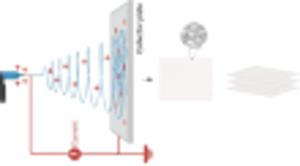
The skin serves as a primary barrier against external threats, and inadequate wound management can delay healing and promote the transition of acute... |
||
|
2026-08-06 Read more about this article in source |
||



-
Springer more ...
Thermal performance of multilayer silica aerogel-embedded PVDF-HFP nanofiber fabric

Silica aerogel is widely recognized for its exceptionally low thermal conductivity; however, its inherent fragility and high porosity limit direct... 09/17/2026
-
Springer more ...
Design and biological evaluation of antimicrobial PVA/AgNP/zeolite electrospun nanofiber wound dressings

The skin serves as a primary barrier against external threats, and inadequate wound management can delay healing and promote the transition of acute... 08/06/2026
-

An attempt has been made to develop fish gelatin-based nanofiber with 30% gelatin in acetic acid via electrospinning. And to functionalize the... 07/31/2026
-
Springer more ...
Effect of Glutaraldehyde on the Properties of PEO/Chitosan Nanofiber Membranes for AC Air Filters

Polyethylene oxide (PEO) chitosan (CS) nanofiber membranes are promising for air filtration due to their biodegradability and antibacterial... 07/29/2026
-

The growing demand for sensitive, rapid, and reliable analytical techniques for human health and environmental monitoring has driven the development... 07/26/2026
-
ResearchGate more ...
A comparative fractographic analysis for the effect of polymeric nanofiber reinforcements on the tensile behavior of multi-layered epoxy nanocomposites
This study presents a comparative investigation into the effects of four different nanofibers—PA66, PStX, PAN, and PVB—on the mechanical performance and failure mechanisms of epoxy adhesive films. These nanofiber‐reinforced adhesive layers were manufactured via a dry‐reinforcement resin film infusion method and tested under uniaxial tensile loading. Mechanical results showed that PA66 and PStX nanofibers improved tensile strength by up to 25%, primarily by mitigating crack initiation at free edges and promoting effective fiber–matrix bonding. In contrast, PAN nanofibers induced micro‐cracks at the fiber–resin interface, amplifying crack coalescence and reducing strength by 25%. 03/01/2025